What Exercise is For
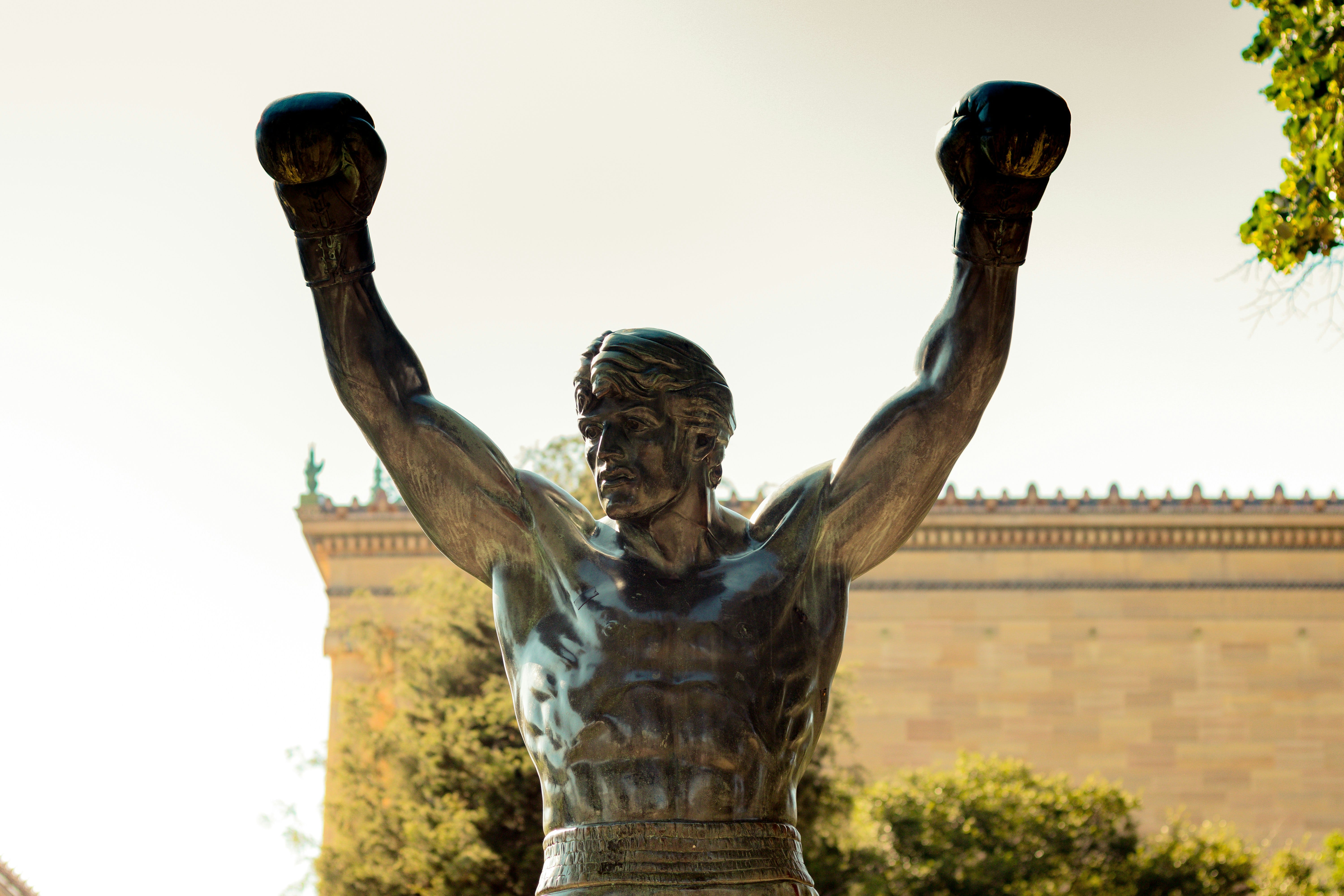
Photo by Luisa Frassier on Unsplash
It’s not the number I wanted to see on my phone. A day earlier, my doctor said no news is good news, but I got the call to book a follow-up appointment to review my results. Essentially, my results showed that I needed to start exercising regularly. Nothing terrible.
I’ve had seasons of exercise over the last decade, but nothing consistent. A younger version of me played football, basketball, and hockey. A younger me was a gym rat who didn’t “lift” but rather “moved weight.” A younger me thought that sounded cool.
After the phone call, I cued up the Rocky IV soundtrack, grabbed a pair of shorts, pulled out those dumbbells and started putting in work.
I wasn’t surprised I needed better exercise. I’m not inactive, but my back hurts, my sleep isn’t the best, and I eat too many chips. Strength training (I refuse to do cardio) will do me good. What surprised me was how little benefit I felt in the first weeks of workouts.
The benefits of regular exercise go beyond physical health. Our emotional life and the life of the mind are not disconnected from the movements of our bodies. Writers often talk about how going for a long walk helps break through writers block. In this way, exercise, for Christians, often serves as a life hack for spiritual growth. Physical fitness supports good health, good sleep and mental clarity, therefore my brain is supercharged for Bible study. A motive and reward of exercise is a kind of self-optimization for spiritual purposes.
But exercise for me wasn’t a gain. In fact, it caused problems. Rather than alleviate pains, my aches grew worse. I pulled a back muscle deadlifting 3 pounds (Yup). Yes, you read that right.
At 18, recovery was fast. Ice packs, lots of water and a decent sleep were sufficient. At 37, with two sons who love to wrestle and run, recovery time doesn’t exist. It’s hard not to treat Advil extra strength like a post workout protein shake. Perhaps I could reach optimization in a few months, but I may not get there. I’ll fall short and must start from zero before I ever reach the peak. I may get sick for a couple of days, a watch every gain from weeks of exercise disappear faster than the Avengers after Thanos’s snap. At those times, I resonate with something the comedian Mike Goodwin says. A six-pack of cookies sounds more appealing than the work needed for a six-pack of abs.
If my primary motive for exercise is optimizing my body, then I’ll miss the mark.
I wonder how many habits, even Christian disciplines are driven by a desire for self-optimization. What if I don’t feel any tangible growth after four weeks of Bible reading? What if singing at church still feels strange after one year? What if my first day of praying in the morning ends up being the worst day of my week?If our primary purpose is measurable growth, then quitting when something doesn’t work makes perfect sense. Only a fool does the same thing expecting different results.
But growth hacks are not the aim of Christian disciplines. This is true of exercise. Perhaps the work itself is good and the aim isn’t optimization. Here is how Paul viewed the purpose of our bodies:
My eager expectation and hope is that I will not be ashamed about anything, but that now as always, with all courage, Christ will be highly honoured in my body, whether by life or by death. (Phil 1:20).
Don’t you know that your body is a temple of the Holy Spirit who is in you, whom you have from God? You are not your own, for you were bought at a price. So glorify God with your body. (1 Cor 6:19-20).
Notice how God’s glory and the honour of Christ Jesus are primary. God created our bodies, and in Christ, redeems our bodies with the future promise of resurrection bodies (Phil 3:20-21). Maybe exercise isn’t about body optimization. Moving our body and caring for our body glorifies God even if it doesn’t produce abs or greater mental clarity for bible study. Exercise is about honouring Christ with our bodies.
This shift from optimizing our bodies to honouring Christ in exercise will not necessarily be visible. Sure, there will be less mirror flexing selfies, but the workouts likely look the same. The difference is the mentality, especially when a week long cold shrivels the muscles you’ve worked hard for.
Exercise is not merely a discipleship hack to supercharge your spiritual life. There are tangible benefits for sure. But there is also a sense in which exercise glorifies God, by using and caring for the body he gave us. Even when it’s hard and doesn’t result in impressive muscles. Persevere in a good thing, even when the “results” aren’t showing. God is glorified in the work.